Pediatric Wellness
Chiropractic Care
Infant Chiropractic
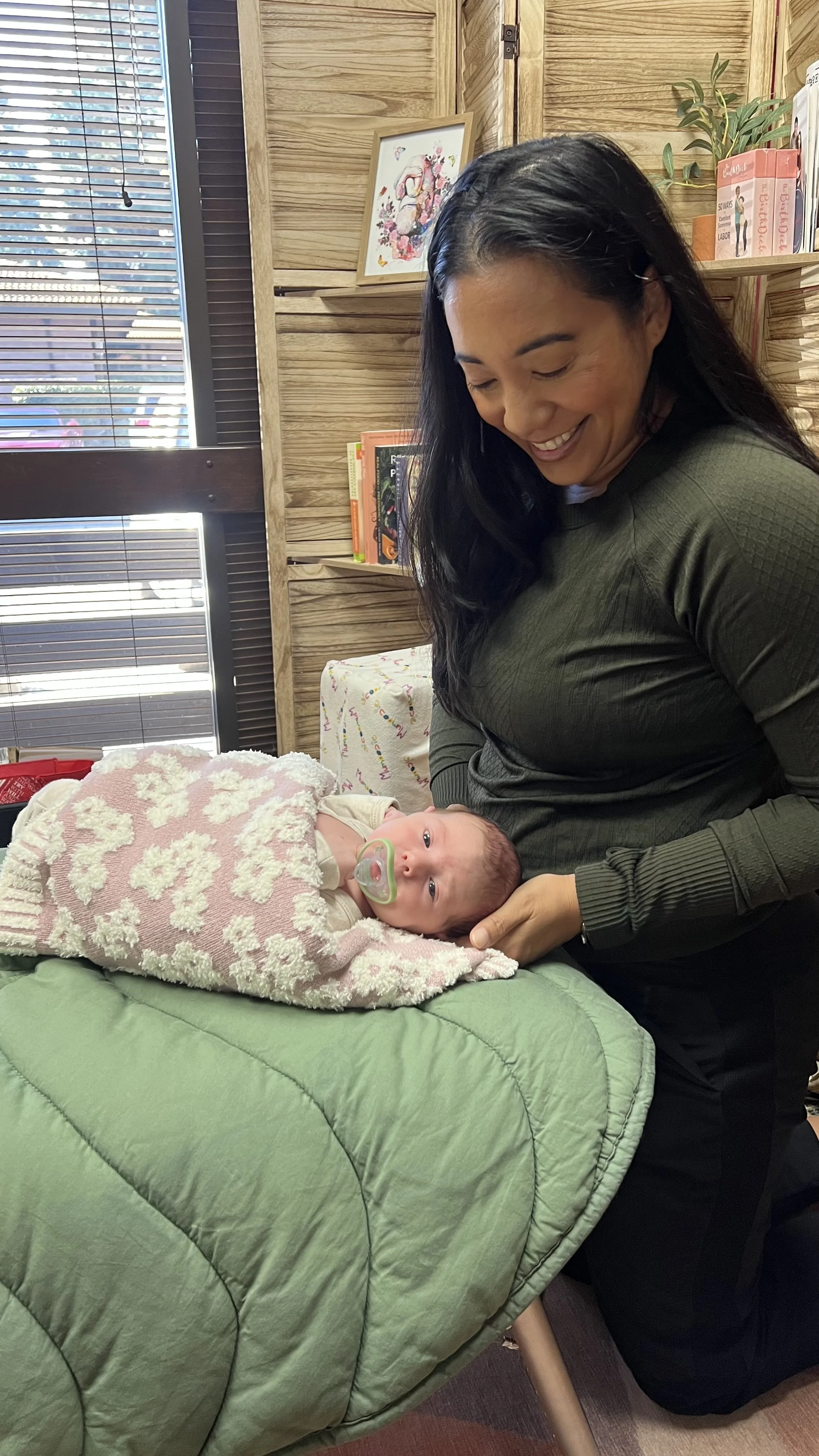
Low pressure alignments, cranial therapy and proprioceptive manipulations to support movement and normal range of motion, suckle-swallow movements for breastfeeding and gas/colic symptoms.
Toddler Chiropractic
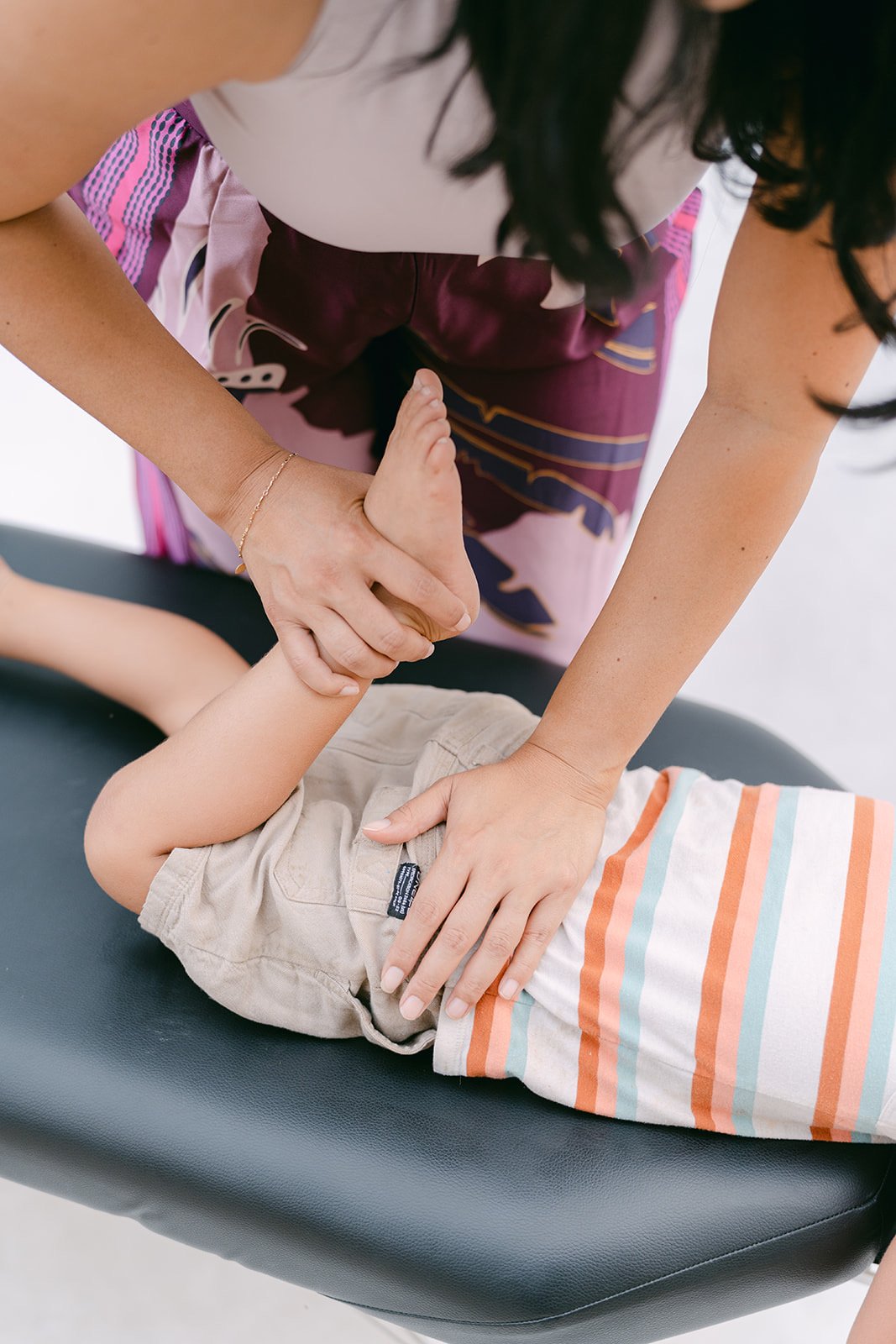
Very active toddlers benefit from spinal alignments as they navigate growth spurts, spills & falls, new movements and more.
Growing Families
Mom, dad & kiddo’s benefit from our family maintenance sessions. Each member of the family receives a “tune up”.
Neurodevelopment Support
Our collaborative neurodevelopmental wellness program incorporates a complete assessment of gross motor, fine motor, interpersonal and social skills that are age appropriate.
Thoughtful Care for Growing Bodies
Children move through remarkable changes as they grow. Dr. Ciara Cappo takes an individualized, developmentally-informed approach to pediatric chiropractic care, considering each child’s age, movement, comfort, and unique needs.
Pediatric visits may focus on:
Neck mobility and movement preferences
Musculoskeletal comfort
Posture and movement patterns
Mobility during growth and development
Physical discomfort during play and everyday activites
Parent education around movement and positioning
Individualized care in collaboration with a childs healthcare team
Areas of Pediatric Chiropractic Dr. Ciara can help with:
1. Infant comfort and movement
Supporting assessment and gentle, age-appropriate care for infants with concerns involving neck movement, positional preferences, head-turning asymmetry, or general musculoskeletal comfort.
2. Neck mobility and positional preferences
Working with families concerned about limited neck movement, a preference for looking in one direction, or movement asymmetries.
3. Gross motor movement and mobility
Assessing musculoskeletal mobility, movement patterns, and physical comfort as babies and children explore crawling, walking, running, climbing, and play.
4. Musculoskeletal comfort in childhood
Evaluating age-appropriate concerns involving the neck, back, joints, posture, and physical discomfort associated with everyday activities and play.
5. Neurodevelopment-informed care
Considering a child's developmental stage, movement experience, sensory needs, and individual presentation when discussing musculoskeletal care and collaborating with the child's healthcare team.
6. Family education and proactive wellness
Helping parents understand age-appropriate movement, physical comfort, positioning, and when a concern deserves additional evaluation by a pediatric healthcare professional.